

Taxing inheritance: What can we learn from the Swiss experience?
Nov
26
05:00 PM - 06:00 PM
Taxing inheritance: What can we learn from the Swiss experience?
Using Switzerland – one of the wealthiest and fiscally most decentralized countries – as a real-world laboratory, this webcast highlights what data and policy experience can tell us about the role of inheritance in modern economies.
Wealth passed down across generations now plays a growing role across advanced economies. At the same time, many countries have reduced or abolished inheritance taxes. What drove this trend? What might be the consequences of reversing it? And if societies want to reduce the concentration of inherited wealth, are there alternatives to taxation?
Live from the UZH Studios, you can follow a presentation on the topic and submit questions via Mentimeter.
This is a public event with free access via livestream on our website in association with the Centre for Economic Policy Research (CEPR).
Using Switzerland – one of the wealthiest and fiscally most decentralized countries – as a real-world laboratory, this webcast highlights what data and policy experience can tell us about the role of inheritance in modern economies.
Wealth passed down across generations now plays a growing role across advanced economies. At the same time, many countries have reduced or abolished inheritance taxes. What drove this trend? What might be the consequences of reversing it? And if societies want to reduce the concentration of inherited wealth, are there alternatives to taxation?
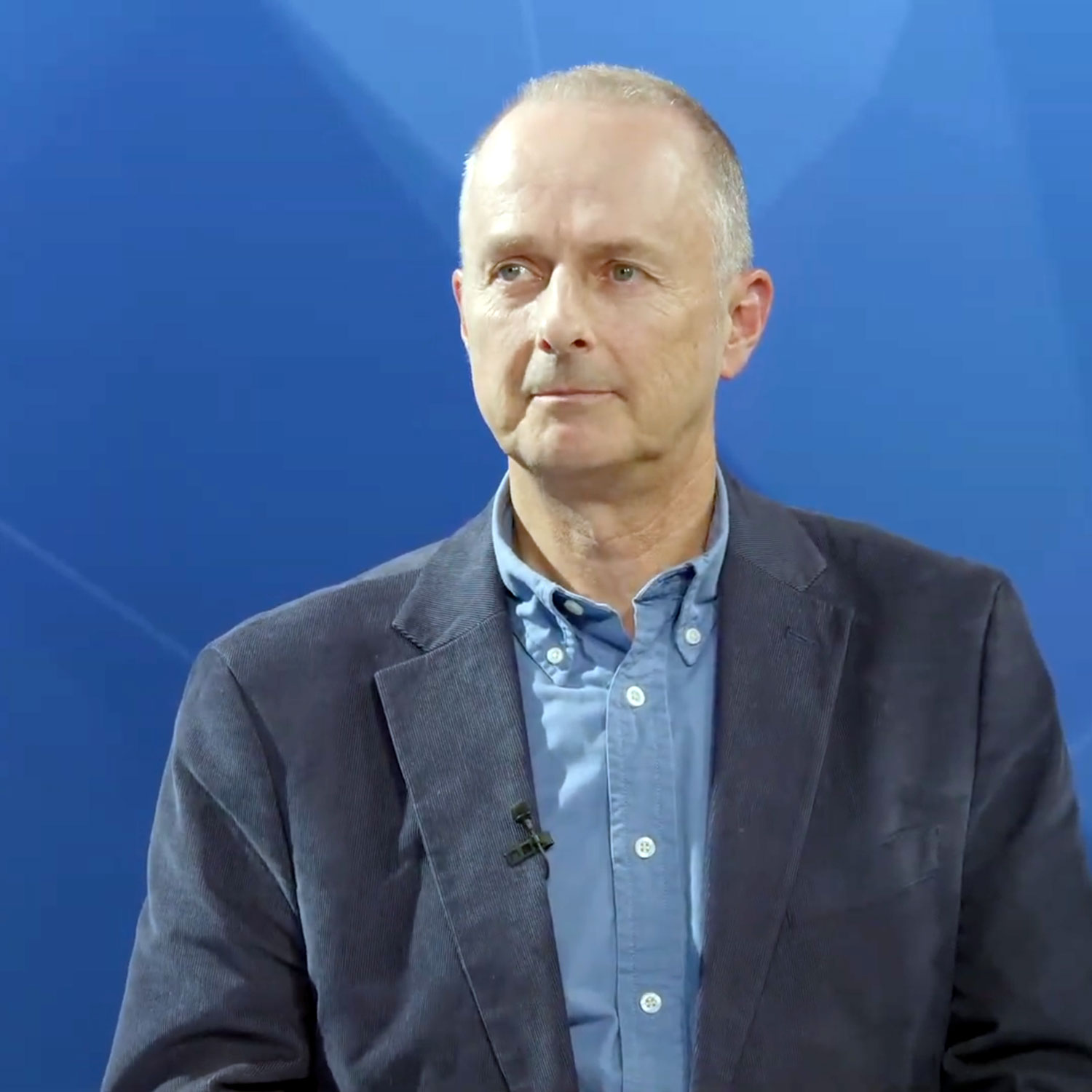
Marius Brülhart is a Full Professor at the Department of Economics, HEC Lausanne, University of Lausanne. Prior to his appointment in 2002, he had been an Assistant Professor at HEC Lausanne, a tenured lecturer at the University of Manchester (UK), and a temporary lecturer at Trinity College Dublin. He holds a PhD in Economics from Trinity College Dublin (1996) and an undergraduate degree in economics from the University of Fribourg (1991). He has advised a number of policy-making organisations, including the World Bank, the European Commission, the OECD and various Swiss government bodies (federal and cantonal).
Florian Scheuer promovierte 2010 am MIT. Er interessiert sich für die politischen Implikationen zunehmender Ungleichheit mit Schwerpunkt Steuerpolitik. Insbesondere hat er daran gearbeitet, wichtige Merkmale der realen Arbeitsmärkte in die Gestaltung optimaler Einkommens- und Vermögenssteuern einzubeziehen. Dazu gehören Volkswirtschaften mit Rentensuche, Superstar-Effekten oder einem wichtigen Unternehmenssektor, reibungslose Finanzmärkte sowie politische Einschränkungen der Steuerpolitik und die daraus resultierende Ungleichheit. Seine Arbeiten wurden unter anderem im American Economic Review, im Journal of Political Economy, im Quarterly Journal of Economics und im Review of Economic Studies veröffentlicht. 2017 erhielt er ein ERC-Startstipendium für seine Forschung zu „Ungleichheit - öffentliche Ordnung und politische Ökonomie“. Bevor er nach Zürich kam, war er an der Fakultät in Stanford, hatte Gastpositionen bei Harvard und UC Berkeley inne und war National Fellow an der Hoover Institution. Er ist Mitherausgeber von Theoretical Economics und Mitglied des Herausgebergremiums der Review of Economic Studies. Er ist ausserdem Co-Direktor der Arbeitsgruppe für Macro Public Finance bei der NBER. Er hat die Steuerpolitik in verschiedenen US- und Schweizer Medien kommentiert.
Marius Brülhart is a Full Professor at the Department of Economics, HEC Lausanne, University of Lausanne. Prior to his appointment in 2002, he had been an Assistant Professor at HEC Lausanne, a tenured lecturer at the University of Manchester (UK), and a temporary lecturer at Trinity College Dublin. He holds a PhD in Economics from Trinity College Dublin (1996) and an undergraduate degree in economics from the University of Fribourg (1991). He has advised a number of policy-making organisations, including the World Bank, the European Commission, the OECD and various Swiss government bodies (federal and cantonal).
Florian Scheuer promovierte 2010 am MIT. Er interessiert sich für die politischen Implikationen zunehmender Ungleichheit mit Schwerpunkt Steuerpolitik. Insbesondere hat er daran gearbeitet, wichtige Merkmale der realen Arbeitsmärkte in die Gestaltung optimaler Einkommens- und Vermögenssteuern einzubeziehen. Dazu gehören Volkswirtschaften mit Rentensuche, Superstar-Effekten oder einem wichtigen Unternehmenssektor, reibungslose Finanzmärkte sowie politische Einschränkungen der Steuerpolitik und die daraus resultierende Ungleichheit. Seine Arbeiten wurden unter anderem im American Economic Review, im Journal of Political Economy, im Quarterly Journal of Economics und im Review of Economic Studies veröffentlicht. 2017 erhielt er ein ERC-Startstipendium für seine Forschung zu „Ungleichheit - öffentliche Ordnung und politische Ökonomie“. Bevor er nach Zürich kam, war er an der Fakultät in Stanford, hatte Gastpositionen bei Harvard und UC Berkeley inne und war National Fellow an der Hoover Institution. Er ist Mitherausgeber von Theoretical Economics und Mitglied des Herausgebergremiums der Review of Economic Studies. Er ist ausserdem Co-Direktor der Arbeitsgruppe für Macro Public Finance bei der NBER. Er hat die Steuerpolitik in verschiedenen US- und Schweizer Medien kommentiert.