

Taxing inheritance: What can we learn from the Swiss experience?
Nov
26
05:00 PM - 06:00 PM
Taxing inheritance: What can we learn from the Swiss experience?
Using Switzerland – one of the wealthiest and fiscally most decentralized countries – as a real-world laboratory, this webcast highlights what data and policy experience can tell us about the role of inheritance in modern economies.
Wealth passed down across generations now plays a growing role across advanced economies. At the same time, many countries have reduced or abolished inheritance taxes. What drove this trend? What might be the consequences of reversing it? And if societies want to reduce the concentration of inherited wealth, are there alternatives to taxation?
Live from the UZH Studios, you can follow a presentation on the topic and submit questions via Mentimeter.
This is a public event with free access via livestream on our website in association with the Centre for Economic Policy Research (CEPR).
Using Switzerland – one of the wealthiest and fiscally most decentralized countries – as a real-world laboratory, this webcast highlights what data and policy experience can tell us about the role of inheritance in modern economies.
Wealth passed down across generations now plays a growing role across advanced economies. At the same time, many countries have reduced or abolished inheritance taxes. What drove this trend? What might be the consequences of reversing it? And if societies want to reduce the concentration of inherited wealth, are there alternatives to taxation?
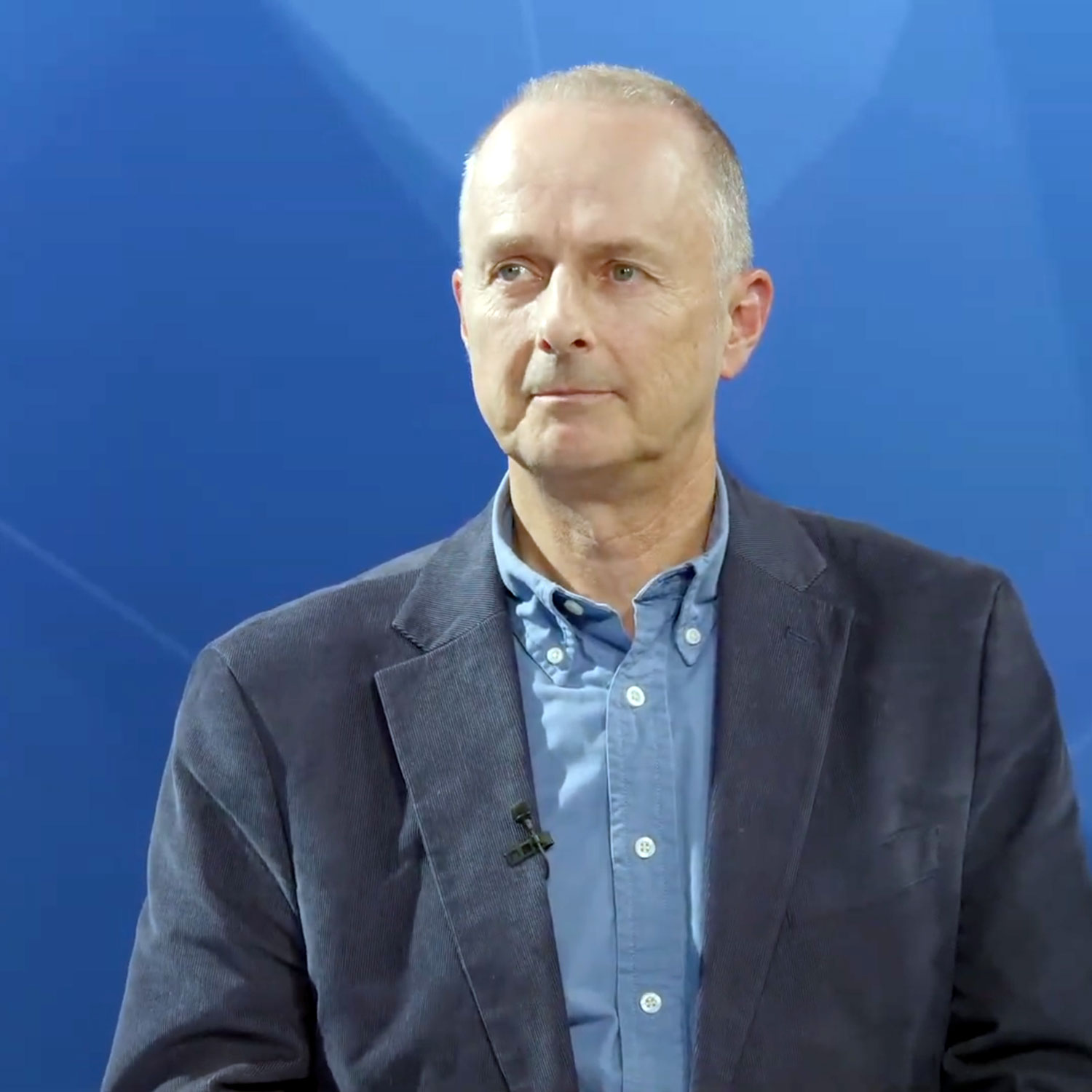
Marius Brülhart is a Full Professor at the Department of Economics, HEC Lausanne, University of Lausanne. Prior to his appointment in 2002, he had been an Assistant Professor at HEC Lausanne, a tenured lecturer at the University of Manchester (UK), and a temporary lecturer at Trinity College Dublin. He holds a PhD in Economics from Trinity College Dublin (1996) and an undergraduate degree in economics from the University of Fribourg (1991). He has advised a number of policy-making organisations, including the World Bank, the European Commission, the OECD and various Swiss government bodies (federal and cantonal).
Florian Scheuer received his PhD from MIT in 2010. He is interested in the policy implications of rising inequality, with a focus on tax policy. In particular, he has worked on incorporating important features of real-world labor markets into the design of optimal income and wealth taxes. These include economies with rent-seeking, superstar effects or an important entrepreneurial sector, frictional financial markets, as well as political constraints on tax policy and the resulting inequality. His work has been published in the American Economic Review, the Journal of Political Economy, the Quarterly Journal of Economics and the Review of Economic Studies, among other journals. In 2017, he received an ERC starting grant for his research on “Inequality - Public Policy and Political Economy.” Before joining Zurich, he was on the faculty at Stanford, held visiting positions at Harvard and UC Berkeley and was a National Fellow at the Hoover Institution. He is Co-Editor of Theoretical Economics and Member of the Board of Editors of the Review of Economic Studies. He is also a Co-Director of the working group on Macro Public Finance at the NBER. He has commented on tax policy in various US and Swiss media outlets.
Marius Brülhart is a Full Professor at the Department of Economics, HEC Lausanne, University of Lausanne. Prior to his appointment in 2002, he had been an Assistant Professor at HEC Lausanne, a tenured lecturer at the University of Manchester (UK), and a temporary lecturer at Trinity College Dublin. He holds a PhD in Economics from Trinity College Dublin (1996) and an undergraduate degree in economics from the University of Fribourg (1991). He has advised a number of policy-making organisations, including the World Bank, the European Commission, the OECD and various Swiss government bodies (federal and cantonal).
Florian Scheuer received his PhD from MIT in 2010. He is interested in the policy implications of rising inequality, with a focus on tax policy. In particular, he has worked on incorporating important features of real-world labor markets into the design of optimal income and wealth taxes. These include economies with rent-seeking, superstar effects or an important entrepreneurial sector, frictional financial markets, as well as political constraints on tax policy and the resulting inequality. His work has been published in the American Economic Review, the Journal of Political Economy, the Quarterly Journal of Economics and the Review of Economic Studies, among other journals. In 2017, he received an ERC starting grant for his research on “Inequality - Public Policy and Political Economy.” Before joining Zurich, he was on the faculty at Stanford, held visiting positions at Harvard and UC Berkeley and was a National Fellow at the Hoover Institution. He is Co-Editor of Theoretical Economics and Member of the Board of Editors of the Review of Economic Studies. He is also a Co-Director of the working group on Macro Public Finance at the NBER. He has commented on tax policy in various US and Swiss media outlets.