

Festivities and academic conference in honor of Ernst Fehr
Sep 2026
Ernst Fehr is Professor of Economics at the University of Zurich, and his work has fundamentally influenced our understanding of how social motives and norms shape cooperation, markets, organizations, and political behavior. A global thought leader in behavioral economics, his research has earned widespread recognition, both in academia and in the public sphere.
Fehr has shaped the UZH Department of Economics for more than three decades – as a pioneering researcher, dedicated teacher, former Director of the department, and as the driving force behind the creation of the UBS Center for Economics in Society.
In honor of his 70th birthday in June 2026, explore a selection of work, conversations, and tributes that reflect the breadth of his contributions to science and academic life.
Ernst Fehr is Professor of Economics at the University of Zurich, and his work has fundamentally influenced our understanding of how social motives and norms shape cooperation, markets, organizations, and political behavior. A global thought leader in behavioral economics, his research has earned widespread recognition, both in academia and in the public sphere.
Fehr has shaped the UZH Department of Economics for more than three decades – as a pioneering researcher, dedicated teacher, former Director of the department, and as the driving force behind the creation of the UBS Center for Economics in Society.
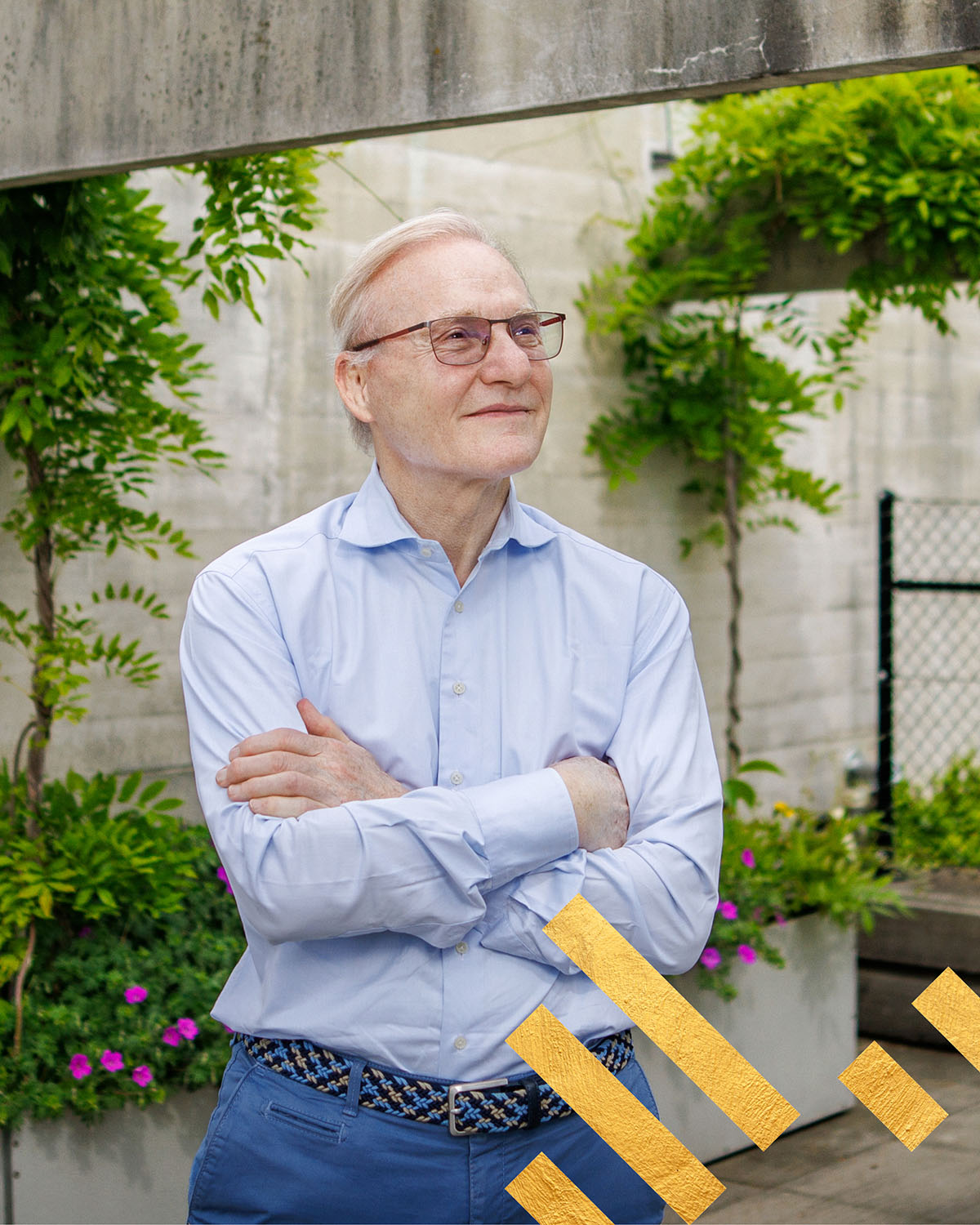
Few economists have shaped their field and their institution as fundamentally as Ernst Fehr. As a researcher, he helped establish behavioral economics as a rigorous discipline, with landmark publications in Nature, Science, and the American Economic Review. His contributions have been recognized with some of the field’s most prestigious honors, among them the Marcel Benoist Prize in 2008, Switzerland’s oldest and most distinguished scientific award. His home country Austria has equally honored his achievements, awarding him the Austrian Cross of Honor for Science and Arts in 2012. In 2026, he was elected an international member of the U.S. National Academy of Sciences, one of the world’s most prestigious scientific communities.
As an institution builder, Fehr transformed the UZH Department of Economics into one of Europe’s leading research environments. He understood early that excellence requires more than ideas: it requires the right environment and the right partners. The founding of the UBS Center for Economics in Society and the Excellence Foundation Zurich reflects that conviction. Its most recent expression: the arrival of Nobel laureates Esther Duflo and Abhijit Banerjee, who will join the Department in July 2026, a recruitment that would not have been possible without the institutional foundation Fehr spent decades building.
Few economists have shaped their field and their institution as fundamentally as Ernst Fehr. As a researcher, he helped establish behavioral economics as a rigorous discipline, with landmark publications in Nature, Science, and the American Economic Review. His contributions have been recognized with some of the field’s most prestigious honors, among them the Marcel Benoist Prize in 2008, Switzerland’s oldest and most distinguished scientific award. His home country Austria has equally honored his achievements, awarding him the Austrian Cross of Honor for Science and Arts in 2012. In 2026, he was elected an international member of the U.S. National Academy of Sciences, one of the world’s most prestigious scientific communities.
As an institution builder, Fehr transformed the UZH Department of Economics into one of Europe’s leading research environments. He understood early that excellence requires more than ideas: it requires the right environment and the right partners. The founding of the UBS Center for Economics in Society and the Excellence Foundation Zurich reflects that conviction. Its most recent expression: the arrival of Nobel laureates Esther Duflo and Abhijit Banerjee, who will join the Department in July 2026, a recruitment that would not have been possible without the institutional foundation Fehr spent decades building.

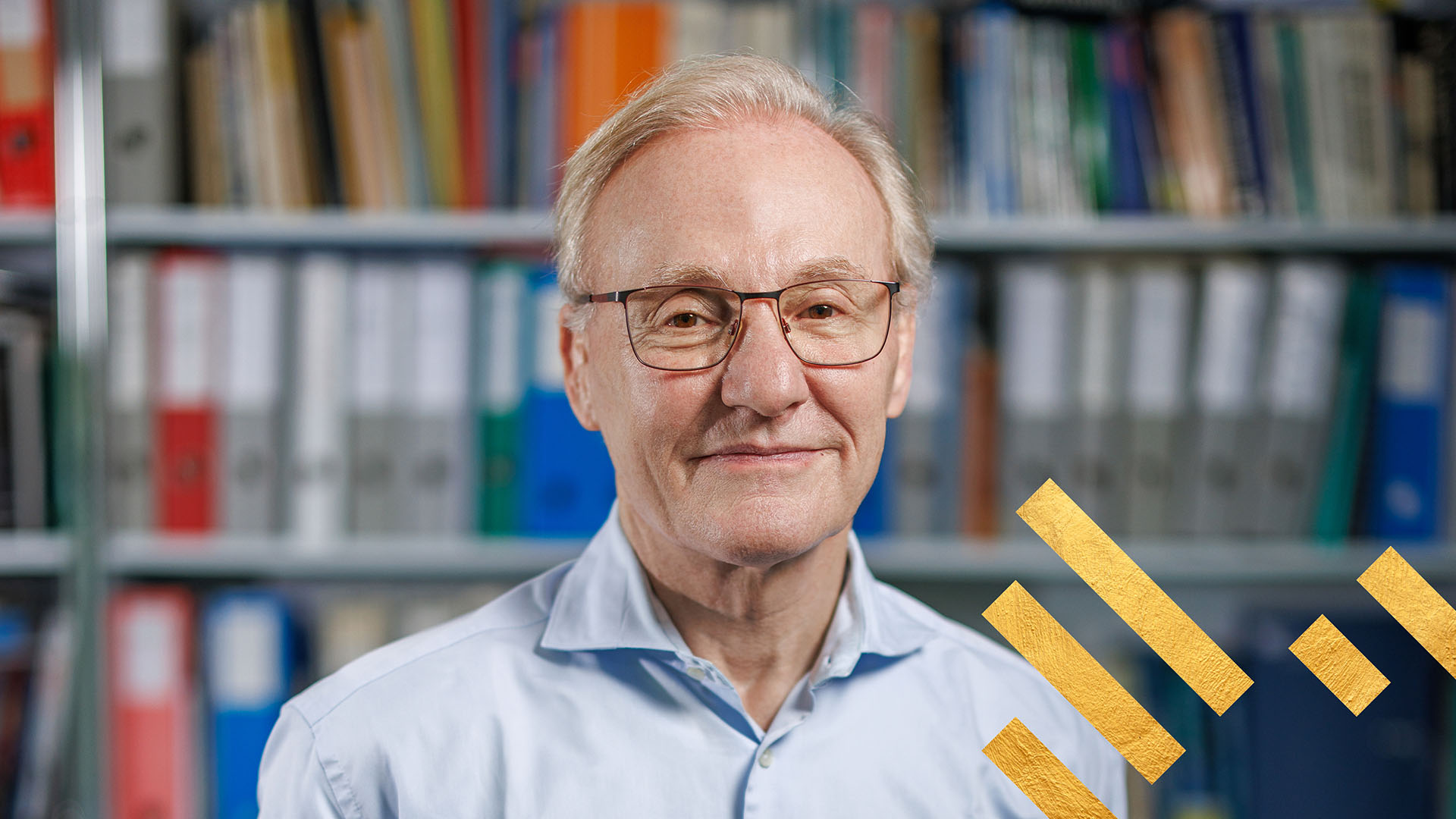
He humanized economics and led the department of economics at the University of Zurich to the top. The most cited economist in the German language area conveys a positive message: human beings are not purely self-interested. In doing so, he revolutionized the way his profession analyzes the world.
He humanized economics and led the department of economics at the University of Zurich to the top. The most cited economist in the German language area conveys a positive message: human beings are not purely self-interested. In doing so, he revolutionized the way his profession analyzes the world.
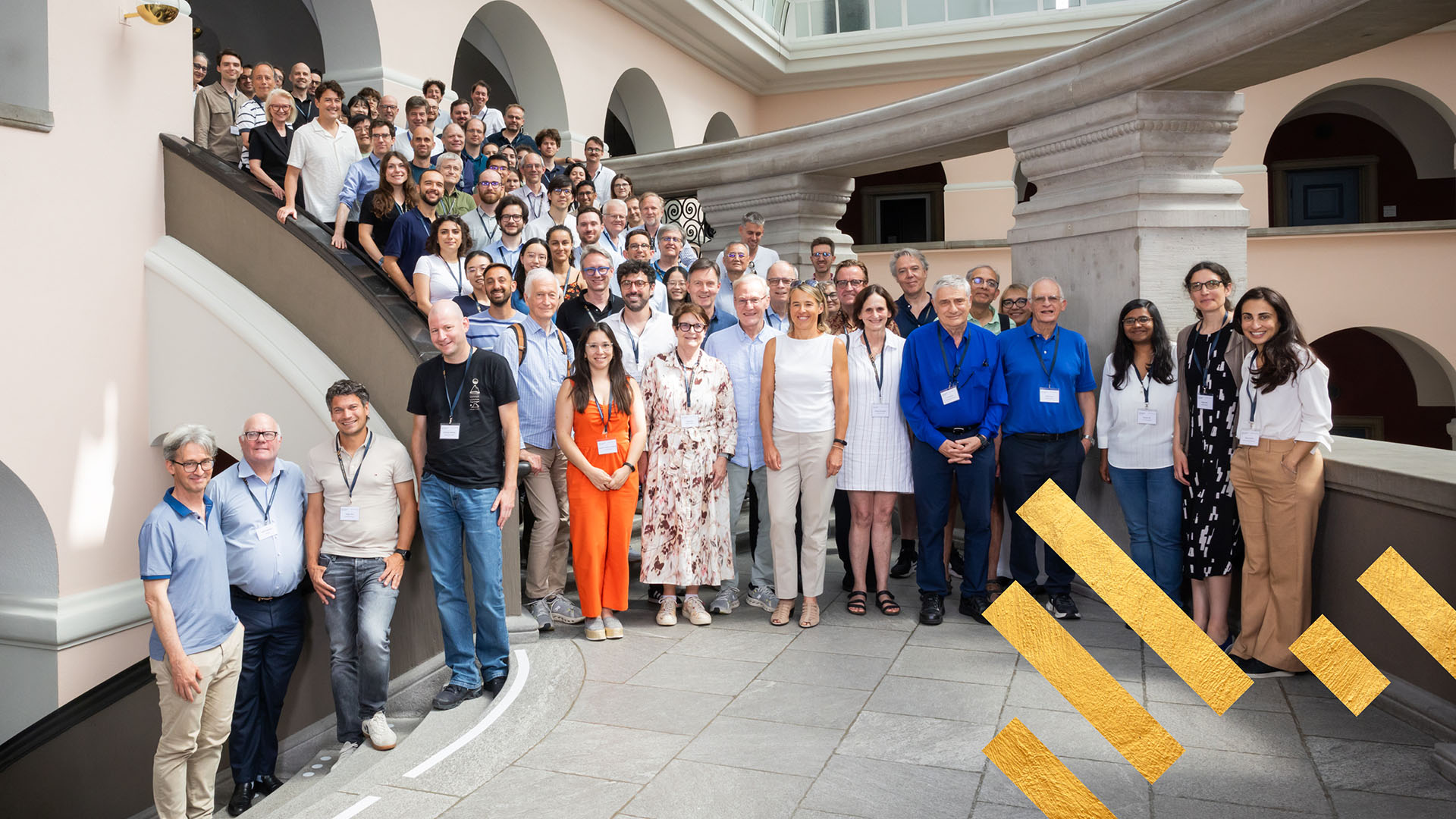
Leading economists from around the world gathered this June at the University of Zurich, to celebrate Ernst Fehr’s profound impact on economics. The conference featured Nobel laureates and internationally renowned scholars, among them several members of the UBS Center Advisory Board and UBS Foundation Professors. Together, they explored how social preferences and norms continue to reshape research on markets, institutions, inequality, climate policy, and economic development. Stay tuned for selected talks and conference highlights.
Leading economists from around the world gathered this June at the University of Zurich, to celebrate Ernst Fehr’s profound impact on economics. The conference featured Nobel laureates and internationally renowned scholars, among them several members of the UBS Center Advisory Board and UBS Foundation Professors. Together, they explored how social preferences and norms continue to reshape research on markets, institutions, inequality, climate policy, and economic development. Stay tuned for selected talks and conference highlights.
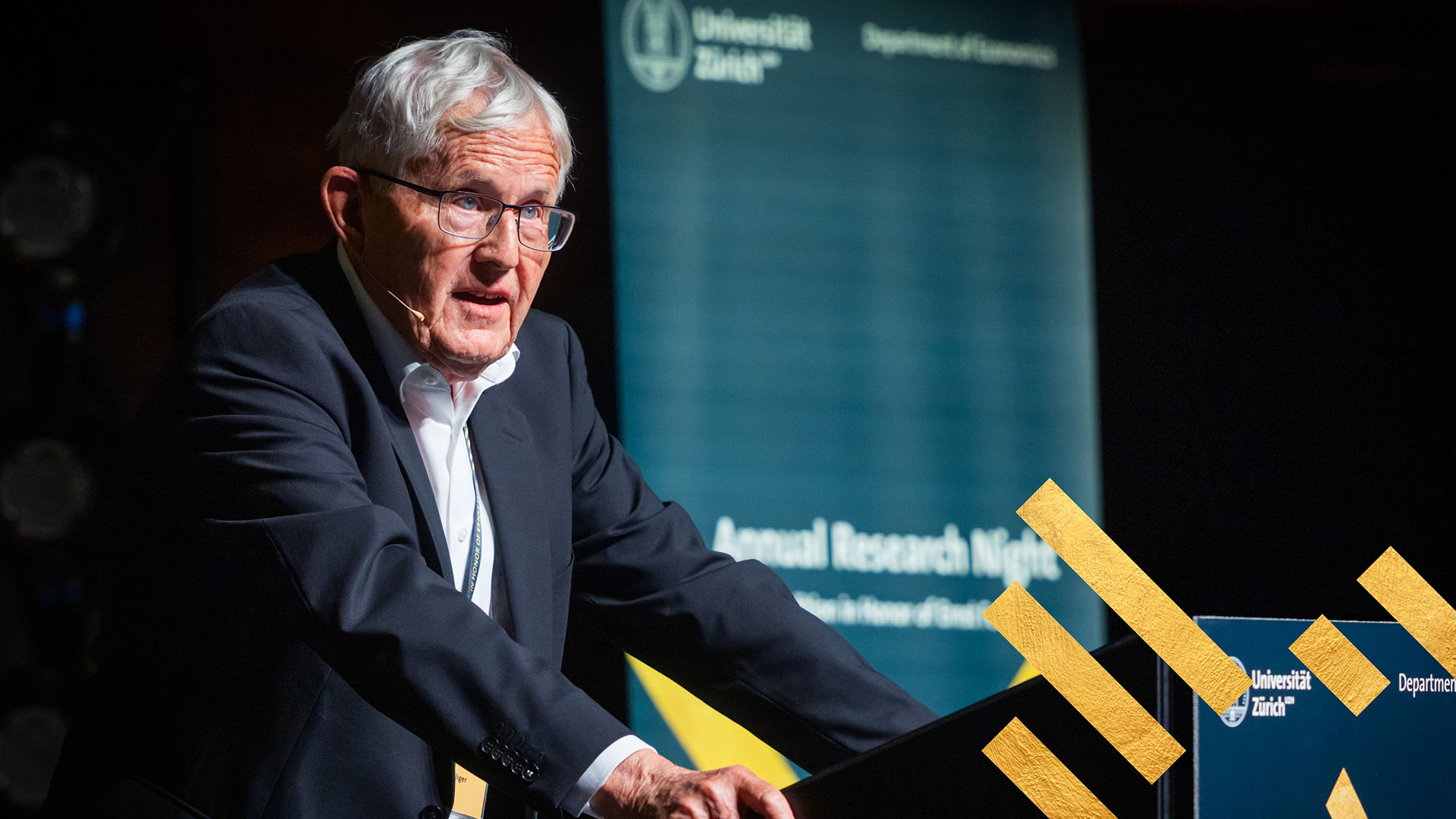
Former Swiss Federal Councillor Kaspar Villiger paid tribute to Ernst Fehr on the occasion of his 70th birthday at the UZH Department of Economics' Annual Research Night, a flagship event jointly hosted with the Excellence Foundation Zurich. Reflecting on his own career in business, government, and finance, Villiger described how Fehr’s research transformed not only economics, but also our understanding of human behavior, institutions, and society. His tribute was a reminder that Fehr’s influence extends far beyond academia.
Former Swiss Federal Councillor Kaspar Villiger paid tribute to Ernst Fehr on the occasion of his 70th birthday at the UZH Department of Economics' Annual Research Night, a flagship event jointly hosted with the Excellence Foundation Zurich. Reflecting on his own career in business, government, and finance, Villiger described how Fehr’s research transformed not only economics, but also our understanding of human behavior, institutions, and society. His tribute was a reminder that Fehr’s influence extends far beyond academia.
What if shareholders care about more than profits? In his UBS Center Opinions lecture, Nobel laureate Oliver Hart challenged one of the central assumptions of modern corporate governance. Drawing on ideas from his forthcoming book Citizen Investors, he argued that shareholders are not merely investors seeking financial returns, but citizens whose social and moral preferences deserve a greater role in corporate decision-making.
What if shareholders care about more than profits? In his UBS Center Opinions lecture, Nobel laureate Oliver Hart challenged one of the central assumptions of modern corporate governance. Drawing on ideas from his forthcoming book Citizen Investors, he argued that shareholders are not merely investors seeking financial returns, but citizens whose social and moral preferences deserve a greater role in corporate decision-making.
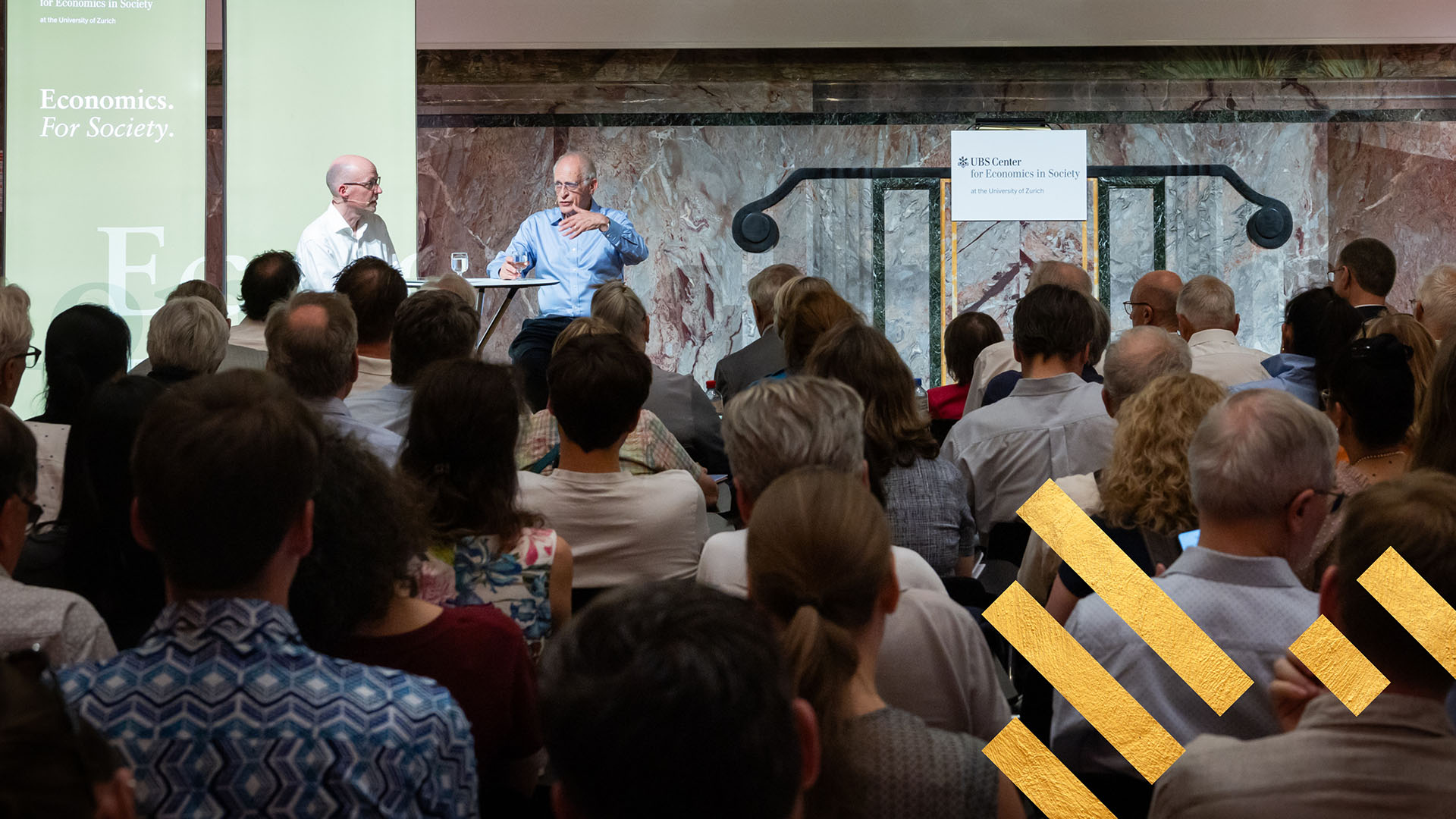
Ernst Fehr has spent decades studying what really motivates human behavior – fairness, reciprocity, and the social preferences that standard economics long ignored. He asked questions that the discipline was not yet ready to embrace – and when his ideas met resistance, he looked for new ways to test them. In the latest episode of Thought Supply, he sits down with colleague Roberto Weber to reflect on his research, his intellectual journey, and the questions that still keep him up at night.
Ernst Fehr has spent decades studying what really motivates human behavior – fairness, reciprocity, and the social preferences that standard economics long ignored. He asked questions that the discipline was not yet ready to embrace – and when his ideas met resistance, he looked for new ways to test them. In the latest episode of Thought Supply, he sits down with colleague Roberto Weber to reflect on his research, his intellectual journey, and the questions that still keep him up at night.

Ernst Fehr received his doctorate from the University of Vienna in 1986. His work has shown how social motives shape the cooperation, negotiations and coordination among actors and how this affects the functioning of incentives, markets and organisations. His work identifies important conditions under which cooperation flourishes and breaks down. The work on the psychological foundations of incentives informs us about the merits and the limits of financial incentives for the compensation of employees. In other work he has shown the importance of corporate culture for the performance of firms. In more recent work he shows how social motives affect how people vote on issues related to the redistribution of incomes and how differences in people’s intrinsic patience is related to wealth inequality. His work has found large resonance inside and outside academia with more than 100’000 Google Scholar citations and his work has been mentioned many times in international and national newspapers.
Ernst Fehr received his doctorate from the University of Vienna in 1986. His work has shown how social motives shape the cooperation, negotiations and coordination among actors and how this affects the functioning of incentives, markets and organisations. His work identifies important conditions under which cooperation flourishes and breaks down. The work on the psychological foundations of incentives informs us about the merits and the limits of financial incentives for the compensation of employees. In other work he has shown the importance of corporate culture for the performance of firms. In more recent work he shows how social motives affect how people vote on issues related to the redistribution of incomes and how differences in people’s intrinsic patience is related to wealth inequality. His work has found large resonance inside and outside academia with more than 100’000 Google Scholar citations and his work has been mentioned many times in international and national newspapers.