
What is liberalism and why is it important?
Jan
14
06:00 PM - 07:15 PM
What is liberalism and why is it important?
«Die Kriminalisierung politischer Gegner dürfen wir nicht tolerieren» NZZ Interview mit Cass R. Sunstein
«Die Behauptung, der Liberalismus zerstöre Traditionen, ist ein Märchen» Schweizer Monat Interview mit Cass R. Sunstein
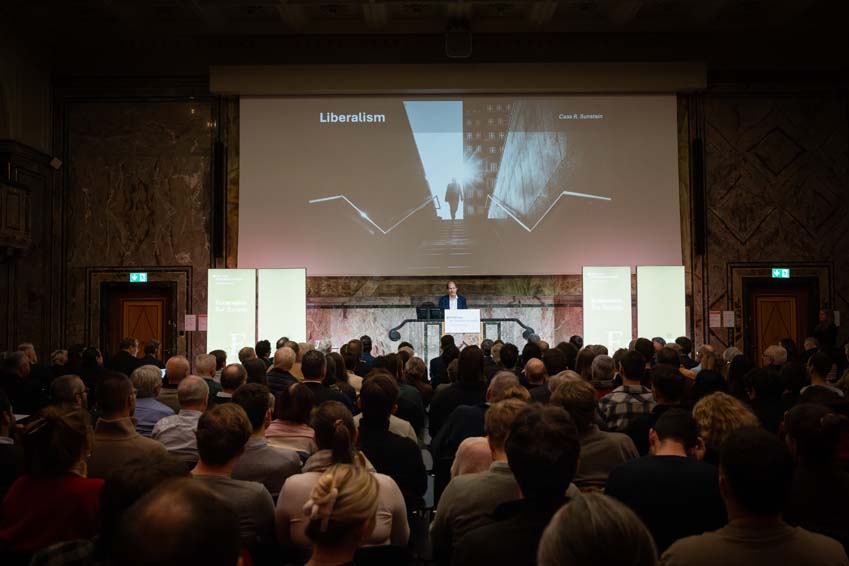
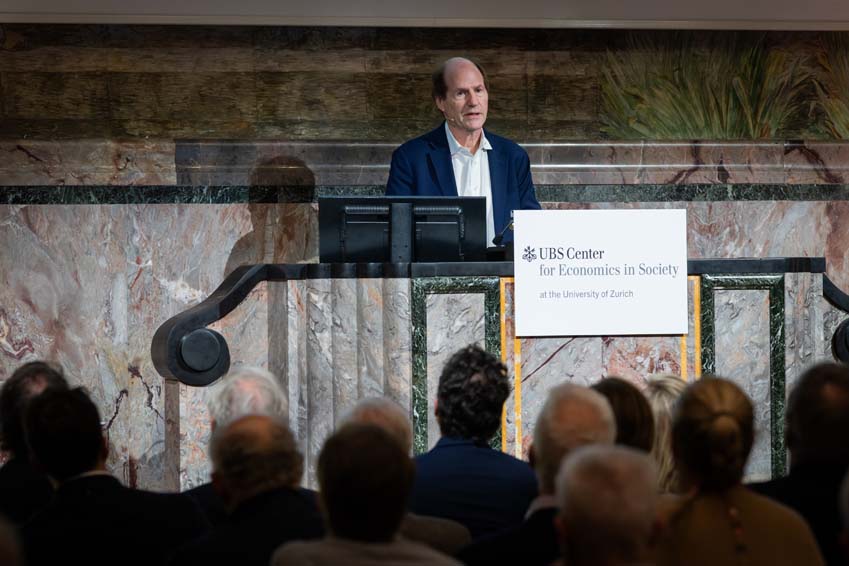
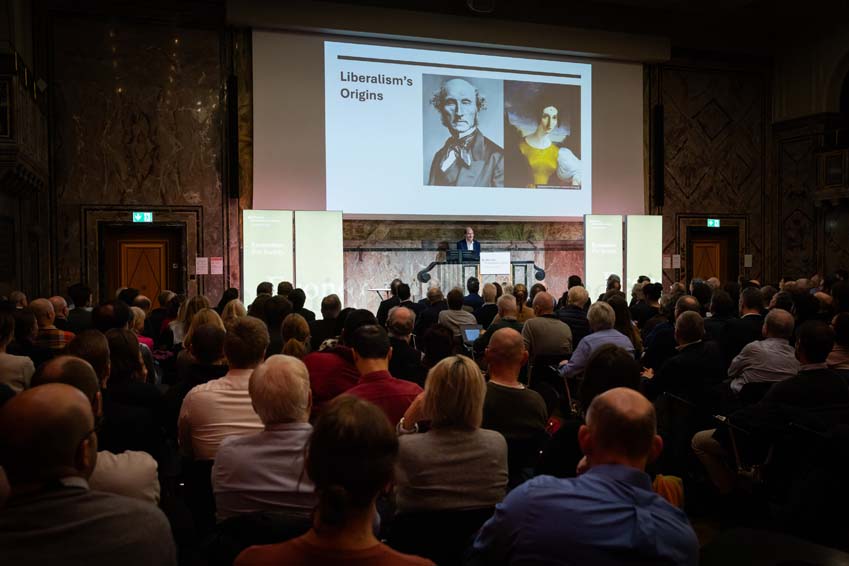
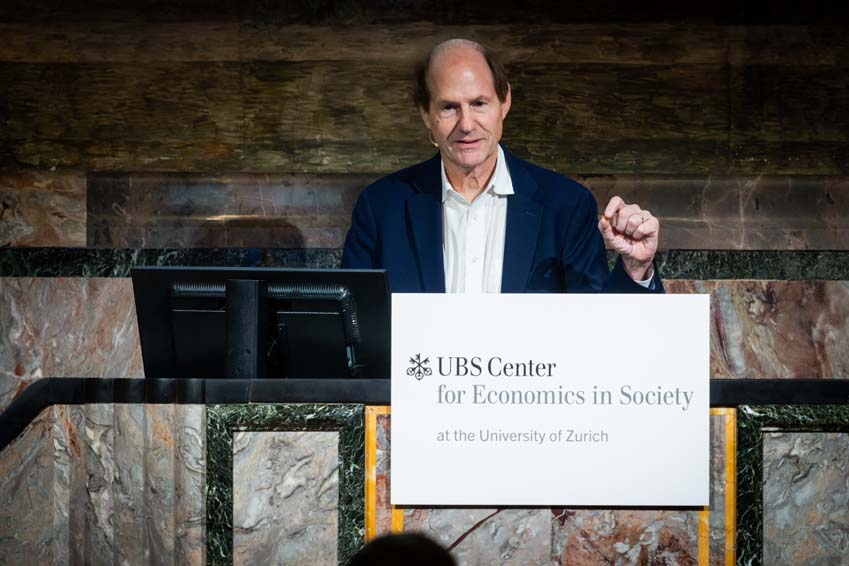
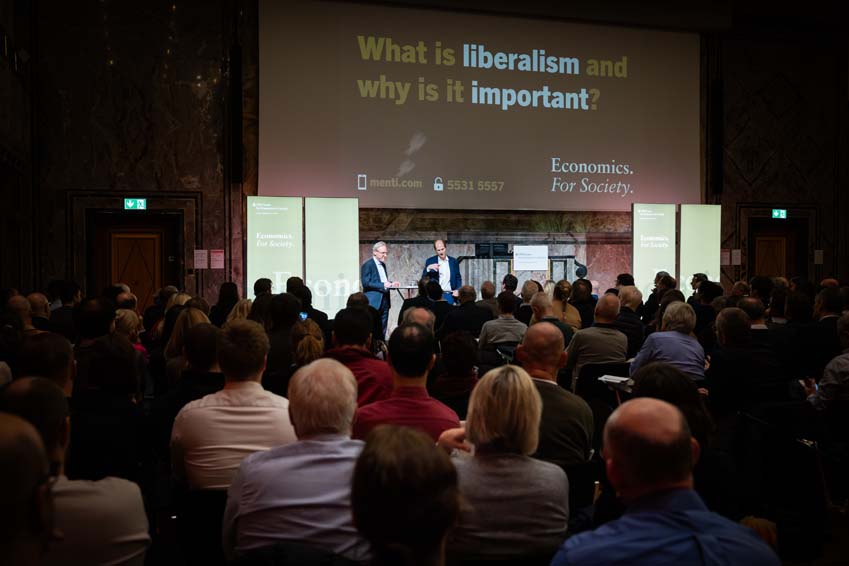
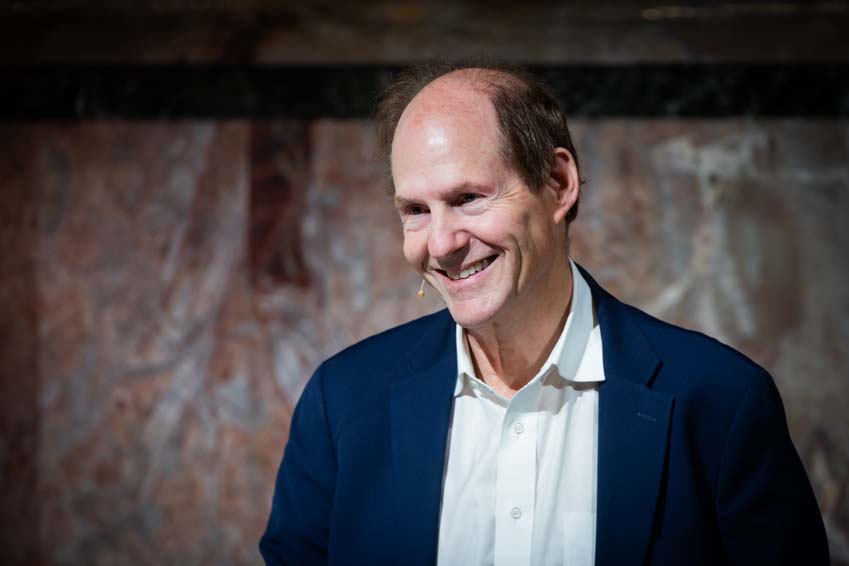
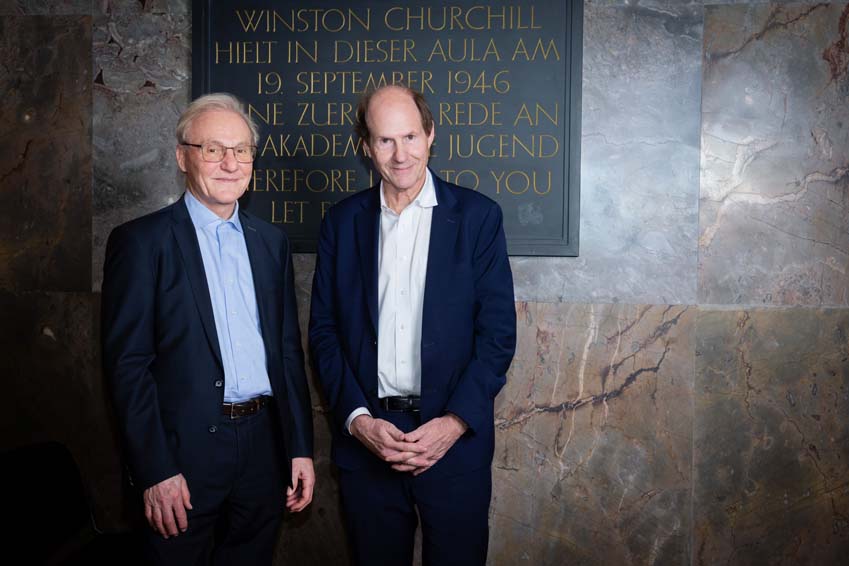
In Europe, the term liberal has been claimed by many political actors, blurring its meaning. In the U.S., liberal values are under attack from both sides – blamed by some for eroding family and traditional values, and by others for failing to tackle deep-seated inequalities, corporate power, and environmental destruction. Cass R. Sunstein invites us to look beyond these polarized views and reconsider what liberalism truly stands for. Has the idea of freedom lost its appeal, or do we simply take it for granted? Drawing on decades of research at the intersection of law, behavioral economics, and political theory, Sunstein explores the principles that sustain open societies – freedom, opportunity, and tolerance –, and why they are worth defending.
Building on themes from his latest book On Liberalism – In Defense of Freedom (2025), he reflects on how liberal ideas have evolved, why they are often misunderstood, and what challenges they face today. His lecture promises a thought-provoking exploration of the foundations of freedom and how we can renew and protect them in the twenty-first century.
This was a free, public event. Access was granted to registered guests on a first-come, first-served basis.
In Europe, the term liberal has been claimed by many political actors, blurring its meaning. In the U.S., liberal values are under attack from both sides – blamed by some for eroding family and traditional values, and by others for failing to tackle deep-seated inequalities, corporate power, and environmental destruction. Cass R. Sunstein invites us to look beyond these polarized views and reconsider what liberalism truly stands for. Has the idea of freedom lost its appeal, or do we simply take it for granted? Drawing on decades of research at the intersection of law, behavioral economics, and political theory, Sunstein explores the principles that sustain open societies – freedom, opportunity, and tolerance –, and why they are worth defending.
Building on themes from his latest book On Liberalism – In Defense of Freedom (2025), he reflects on how liberal ideas have evolved, why they are often misunderstood, and what challenges they face today. His lecture promises a thought-provoking exploration of the foundations of freedom and how we can renew and protect them in the twenty-first century.
Cass R. Sunstein is the Robert Walmsley University Professor at Harvard University and founder of the Program on Behavioral Economics and Public Policy at Harvard Law School. He is also co-founder of the Initiative on Artificial Intelligence and the Law. From 2009 to 2012 he served as Administrator of the White House Office of Information and Regulatory Affairs under President Obama and later advised Presidents Obama and Biden on issues of law and public policy. One of the world’s most influential legal scholars, he has contributed fundamentally to the understanding of behavioral economics, regulation, and democratic governance. In 2018, he received the prestigious Holberg Prize for his groundbreaking work at the intersection of law and the humanities. Among his many publications are Nudge (with Nobel laureate Richard Thaler), How Change Happens, Sludge, and The Cost-Benefit Revolution. His latest book, On Liberalism, offers a timely and powerful defense of liberalism as the foundation of freedom and self-government.
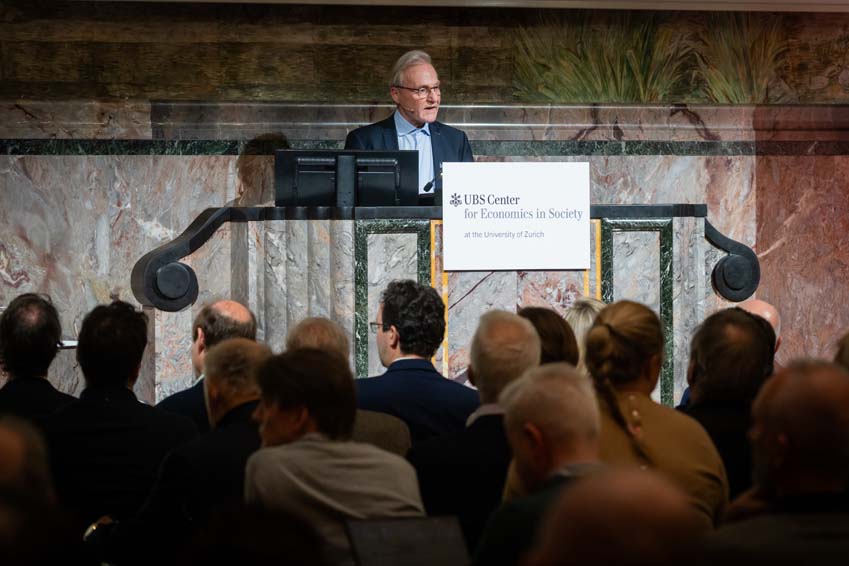
Ernst Fehr received his doctorate from the University of Vienna in 1986. His work has shown how social motives shape the cooperation, negotiations and coordination among actors and how this affects the functioning of incentives, markets and organisations. His work identifies important conditions under which cooperation flourishes and breaks down. The work on the psychological foundations of incentives informs us about the merits and the limits of financial incentives for the compensation of employees. In other work he has shown the importance of corporate culture for the performance of firms. In more recent work he shows how social motives affect how people vote on issues related to the redistribution of incomes and how differences in people’s intrinsic patience is related to wealth inequality. His work has found large resonance inside and outside academia with more than 100’000 Google Scholar citations and his work has been mentioned many times in international and national newspapers.
Cass R. Sunstein is the Robert Walmsley University Professor at Harvard University and founder of the Program on Behavioral Economics and Public Policy at Harvard Law School. He is also co-founder of the Initiative on Artificial Intelligence and the Law. From 2009 to 2012 he served as Administrator of the White House Office of Information and Regulatory Affairs under President Obama and later advised Presidents Obama and Biden on issues of law and public policy. One of the world’s most influential legal scholars, he has contributed fundamentally to the understanding of behavioral economics, regulation, and democratic governance. In 2018, he received the prestigious Holberg Prize for his groundbreaking work at the intersection of law and the humanities. Among his many publications are Nudge (with Nobel laureate Richard Thaler), How Change Happens, Sludge, and The Cost-Benefit Revolution. His latest book, On Liberalism, offers a timely and powerful defense of liberalism as the foundation of freedom and self-government.
Ernst Fehr received his doctorate from the University of Vienna in 1986. His work has shown how social motives shape the cooperation, negotiations and coordination among actors and how this affects the functioning of incentives, markets and organisations. His work identifies important conditions under which cooperation flourishes and breaks down. The work on the psychological foundations of incentives informs us about the merits and the limits of financial incentives for the compensation of employees. In other work he has shown the importance of corporate culture for the performance of firms. In more recent work he shows how social motives affect how people vote on issues related to the redistribution of incomes and how differences in people’s intrinsic patience is related to wealth inequality. His work has found large resonance inside and outside academia with more than 100’000 Google Scholar citations and his work has been mentioned many times in international and national newspapers.